
Climate Change Response & Environmental Management
Ⅰ. Governance
Hanmi Pharmaceutical operates the hEHS Committee, led by the CEO, for clear and distinct environmental management, including carbon neutrality and climate change response. The hEHS Committee, established in 2019 as the first EHS (Environment, Health, Safety) overarching organization in the Korean pharmaceutical industry, identifies negative factors and opportunities related to environmental risks such as carbon neutrality and minimizing environmental impact, and establishes period-specific strategies and plans. Hanmi Pharmaceutical emphasizes the role and responsibility of management for effective carbon neutrality and climate change response. The CEO has overall responsibility and authority for final decision-making on environmental management matters and serves as the chairman of the hEHS Committee.
Furthermore, major environmental management issues are regularly reported to the Board of Directors at least once a year. In 2025, information such as greenhouse gas emission status (SCOPE 1&2&3) was reported, and the company plans to establish an ESG Committee within the Board of Directors in the future to strengthen its decision-making structure.
Decision-making Structure
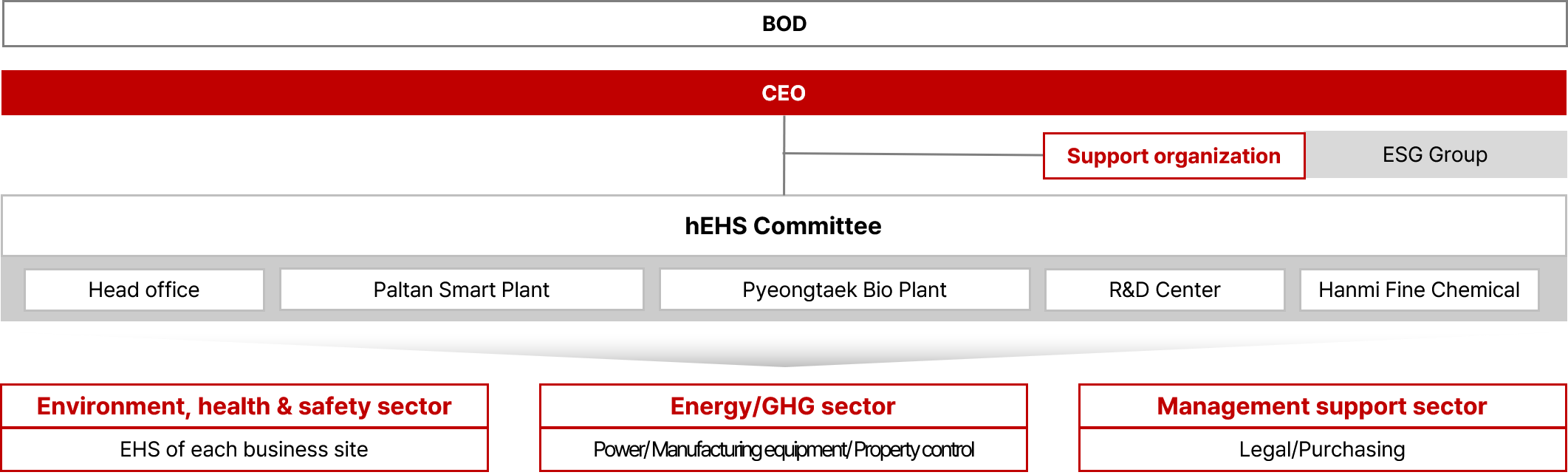
Climate Change Management Committee
Method | Frequency |
|---|---|
Board of Directors | Regular report once a year |
hEHS Committee | Committee operates once semi-annually |
Role of dedicated organization
Category | Role |
|---|---|
Board of Directors | ㆍManagement and supervision of key environmental management strategies and plans |
CEO | ㆍResponsibility for final decision-making on environmental management matters |
ESG Group | ㆍEstablishment of key environmental management strategies and plans |
hEHS Committee | ㆍReview/examine environmental management policies and plans related to greenhouse gas, water, wastewater, etc. |
Dedicated Environment, Health, & | ㆍImplement detailed environmental management activities such as waste, water quality, and air pollution |
Dedicated Energy/GHG Department | ㆍImplement detailed energy/greenhouse gas management activities for equipment, production, and utility facilities |
Dedicated department within | ㆍSupport for environmental management activities |
ⅠⅠ. Strategy
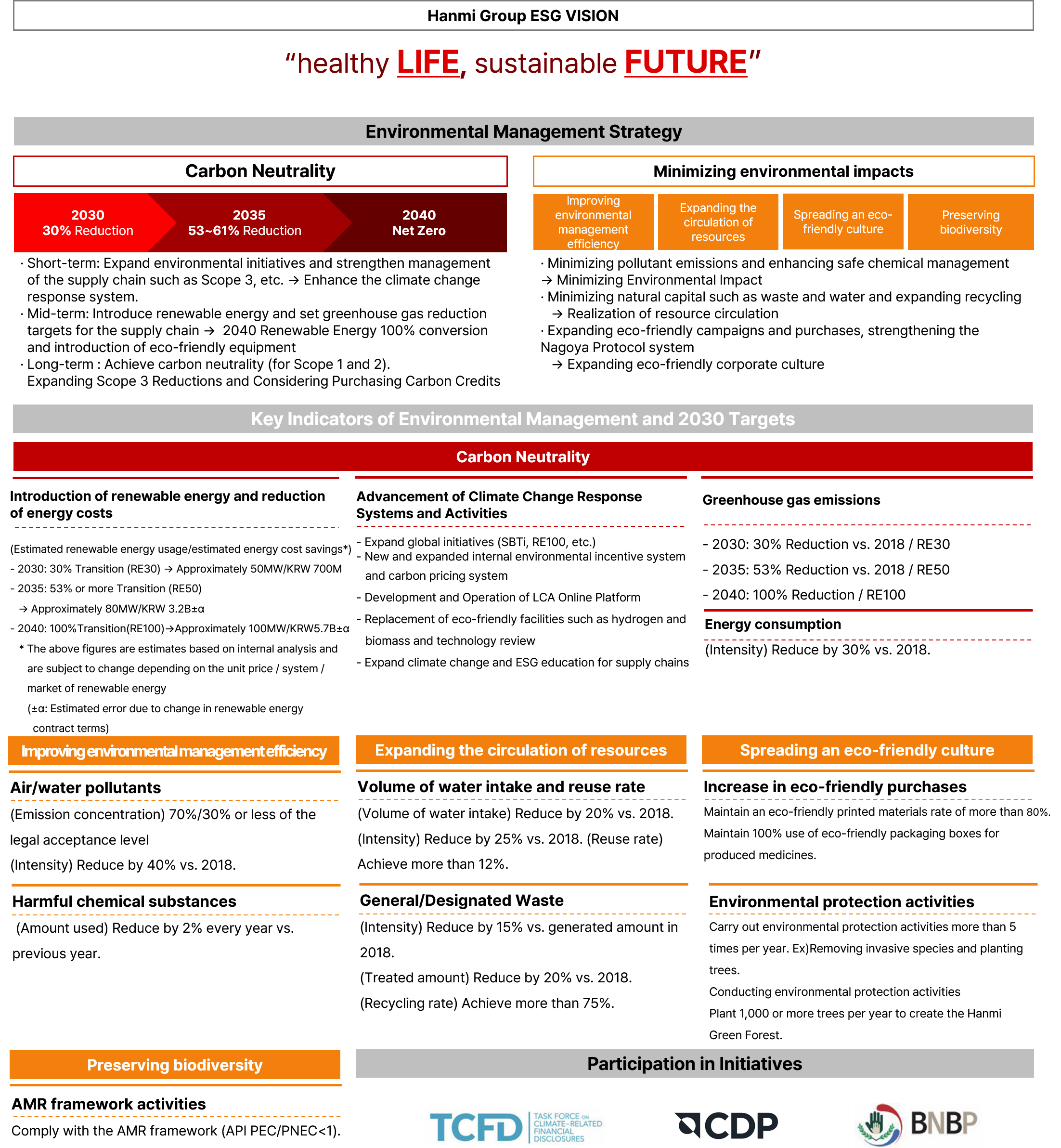
ⅠⅠ-(1) Carbon Neutrality Detailed Strategy
Hanmi Pharmaceutical has established detailed carbon neutrality strategies, reflecting the government's policy direction for renewable energy-centric energy transition.
Hanmi Pharmaceutical plans to fully initiate the adoption of renewable energy in 2026, targeting RE50 by 2035 and RE100 by 2040. Furthermore, by 2040, the company aims to not only achieve RE100 but also complete its carbon neutrality (Net Zero) implementation through the introduction of eco-friendly facilities. Carbon neutrality is a critical issue for the survival and growth of all, and thus it is a global challenge that must encompass not only companies but also their supply chains and local communities. Accordingly, the introduction of renewable energy is a core strategy that reflects Hanmi Pharmaceutical's commitment to carbon neutrality and social responsibility, spanning across the company, its supply chain, and the broader community.
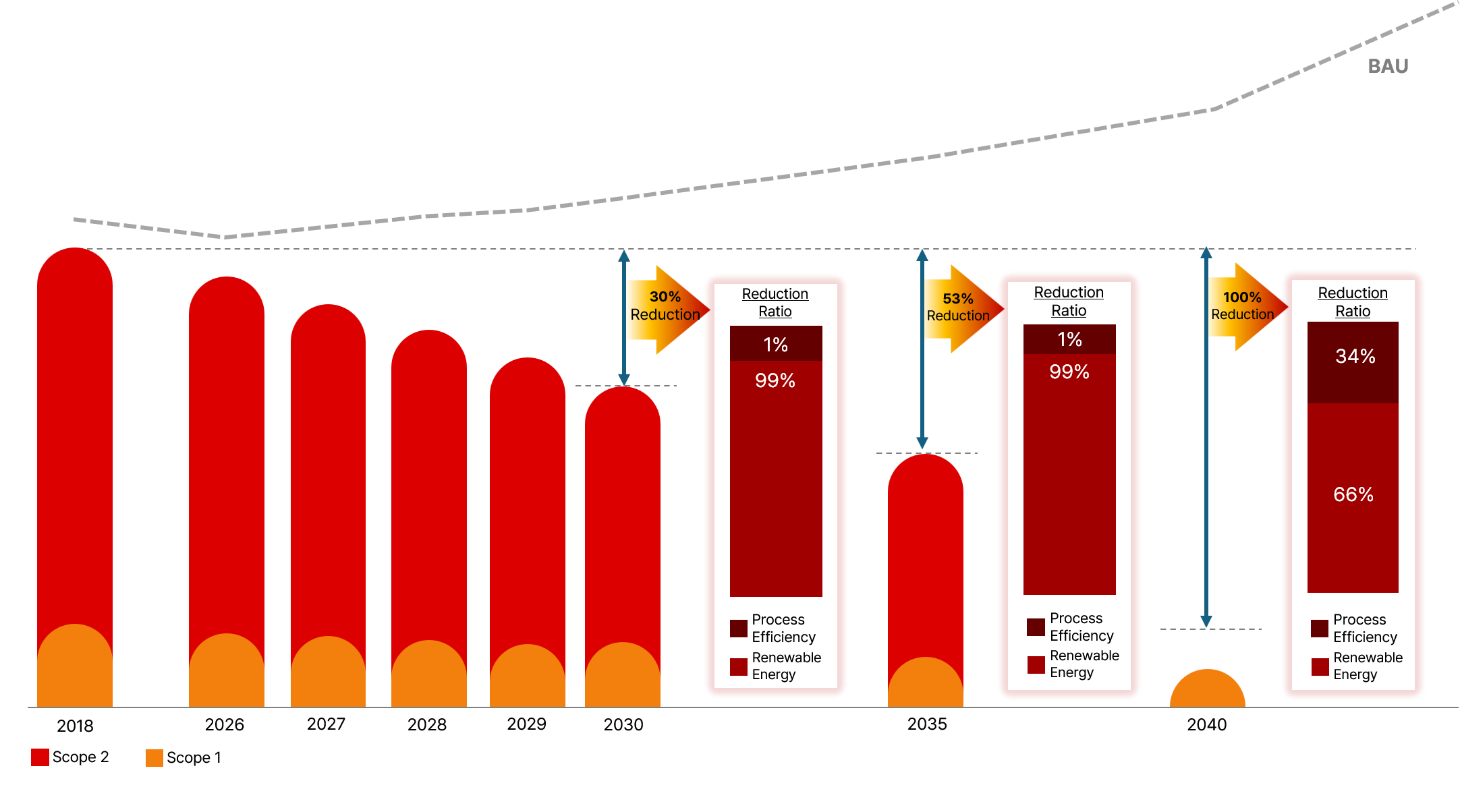
Hanmi Pharmaceutical Scope 1 & 2 Carbon Neutrality Roadmap
Approximately 95% of Hanmi Pharmaceutical's greenhouse gas emissions originate from Pyeongtaek Bioplant and Paltan Smart Plant. Accordingly, the company is promoting the introduction of renewable energy centered on these two sites and has calculated a BAU (Business As Usual) scenario reflecting increased operational rates.
Hanmi Pharmaceutical aims to reduce greenhouse gas emissions by 30% by 2030 and 53% by 2035 compared to 2018, in line with the national 2035 NDC, and plans to achieve Net Zero by 2040. To achieve this, we will concentrate company-wide efforts on expanding renewable energy adoption, introducing eco-friendly facilities, and optimizing processes. Furthermore, having been designated as a target company for the Greenhouse Gas Emission Trading Scheme in 2020, we continue to manage greenhouse gas emissions through the annual purchase of emission allowances.
Hanmi Pharmaceutical Greenhouse Gas Emissions Status in 2025
Total Greenhouse Gas Emissions | 149,942tCO2eq | SCOPE 1 + 2 + 3 |
SCOPE 1 | 13,098tCO2eq (9%) | Boiler 12,442tCO2eq | Vehicles and others 657tCO2eq |
SCOPE 2 | 55,327tCO2eq (37%) | Electricity 45,665tCO2eq | Steam 9,664tCO2eq |
SCOPE 3 | 81,516tCO2eq (54%) | Upstream 65,658tCO2eqㅣDownstream 15,859tCO2eq |
Scope 1 & 2 Reduction Targets
For Scope 1 greenhouse gases, emissions from LNG boiler fuel usage at Paltan Smart Plant and Pyeongtaek Bioplant account for the majority, and long-term plans for eco-friendly fuel boilers such as hydrogen and biomass will be reviewed by 2040. For Scope 2 greenhouse gas emissions in 2025, electricity accounts for 81% and steam for 19%. Hanmi Pharmaceutical has designated Scope 2 as a key target for carbon neutrality implementation and plans to fully initiate renewable energy adoption from 2026, primarily utilizing REC and PPA.
Through this, the company aims to achieve a 30% reduction by 2030 and a 53% reduction by 2035 compared to 2018 greenhouse gas emissions, with a target of achieving Net Zero by 2040.
Hanmi Pharmaceutical SCOPE 3 Carbon Neutrality Forecast Scenario
Hanmi Pharmaceutical is establishing a carbon-neutral foundation across its entire Value Chain, including calculating Scope 3 emissions for 2025, to achieve supply chain carbon neutrality.
Hanmi Pharmaceutical's Scope 3 emissions for 2025 are 81,516tCO2eq, with products/services accounting for approximately 59%. Accordingly, we plan to expand carbon neutrality education for partners and encourage participation in supply chain carbon neutrality initiatives to strengthen supply chain greenhouse gas emission management.
Key Carbon Neutrality Activities for 2025
Hanmi Pharmaceutical conducts its own greenhouse gas/energy reduction activities annually to achieve the 2030/2035 NDC and 2040 Net Zero targets.
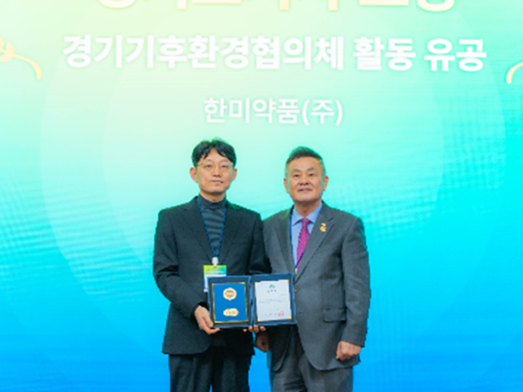
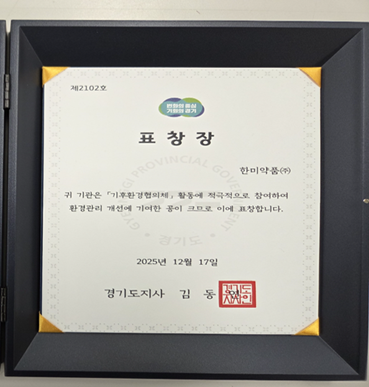
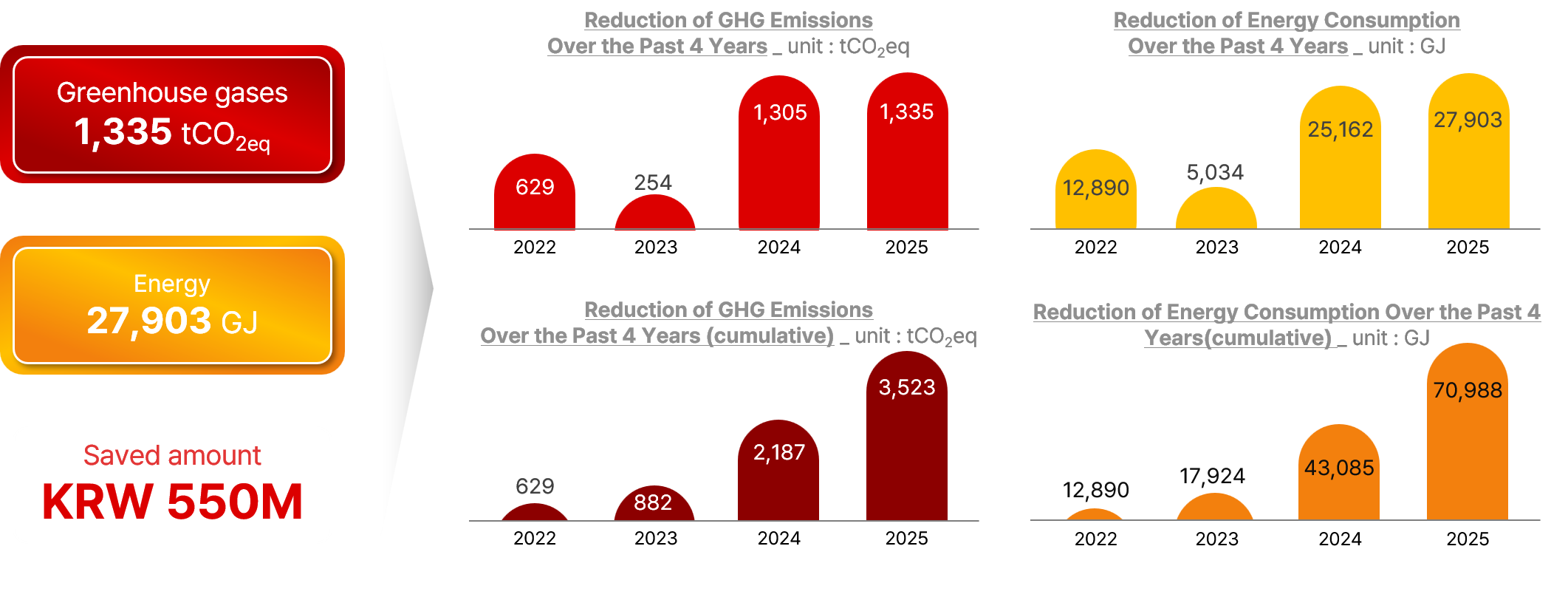
Through these reduction activities, we are cumulatively reducing 3,523tCO2eq of greenhouse gases and 70,988GJ of energy by 2025. Furthermore, in accordance with our Green Procurement Management Guidelines, we prioritize environmentally friendly products with excellent energy efficiency and low environmental impact when purchasing products and equipment, making procurement decisions accordingly. In 2025, the Paltan Smart Plant received commendation from the Gyeonggi Provincial Governor in recognition of its leading efforts in climate and environmental management activities such as carbon reduction and resource circulation. In the future, we plan to incorporate internal carbon costs into decision-making to increase the proportion of equipment investments with lower carbon emissions and continuously strive for long-term carbon emission reduction.
Expected Annual Reduction through 2025 Reduction Activities
Greenhouse Gas/Energy Saving Activities
Hanmi Pharmaceutical is reducing the use of energy, water, steam, and other resources through process efficiency improvements, such as efficient utility usage.
When replacing equipment or facilities costing KRW 5 million or more, we prioritize green procurement products, such as high-efficiency energy equipment and eco-labeled products, in accordance with the 「Green Procurement Management Guidelines」. We also publish Hanmi's green procurement policy promotional materials on our internal integrated procurement site, HSRM, to build an environmentally friendly and sustainable supply chain. Furthermore, by reflecting greenhouse gas and energy saving activities in the MBO evaluations of responsible executives, we are fostering company-wide cost-saving awareness and an eco-friendly organizational culture.
Category | 2025 Activities | Type | Savings Amount | GHG Reduction | Energy Savings |
|---|---|---|---|---|---|
Paltan Smart Plant | Introduction of Energy Solution | Electricity | 0.5 | 129 | 2,688 |
Pyeongtaek Bioplant | Energy Saving of 1℃ Ethylene Glycol Chiller through Relocation of -5℃ Ethylene Glycol Chiller Circulation Pump | Electricity | 5.0 | 1,207 | 25,215 |
Total | 5.5 | 1,335 | 27,903 | ||
Key Activities at Paltan Smart Plant
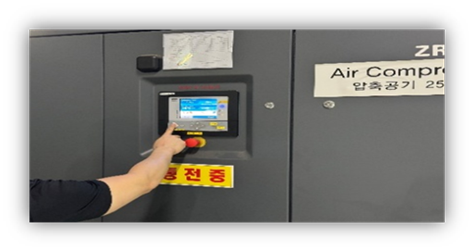
Introduction of Energy Solution (Compressor Central Control System) | |
 [Before Improvement] | 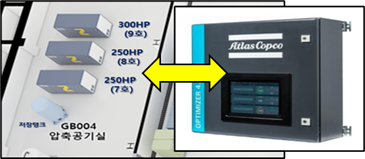 [After Improvement] |
By introducing an energy solution (compressor central control system), we have established a state-of-the-art monitoring system to manage energy usage more precisely. Based on this, an annual reduction of 129 tCO2eq of greenhouse gases and | |
Key Activities at Pyeongtaek Bio Plant
Energy Saving of Adjacent Chillers through Relocation of Chiller Circulation Pumps | |
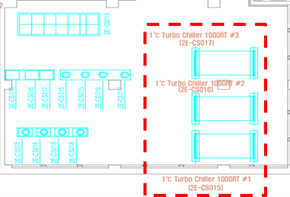 [Before Improvement] | 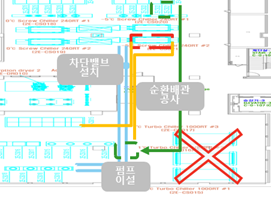 [After Improvement] |
Through circulation pump piping work, we transitioned to operate the -5℃ 240RT chiller instead of the existing 1000RT chiller, halting the operation of the 1℃ 1000RT chiller and its auxiliary facilities to pursue energy efficiency. Based on this, an annual reduction of 1,207 tCO2eq of greenhouse gases and 25,215 GJ of energy is possible, and the resulting cost savings are estimated at approximately KRW 500 million per year. | |
Ⅱ-(2) Minimizing Environmental Impact
Hanmi Pharmaceutical continuously identifies and improves potential environmental issues that may arise during the product manufacturing process. Since 2012, we have adopted ISO 14001, an environmental management system, to establish a firm direction for environmental management and are building a global-standard environmental management system to minimize environmental pollution and negative impacts. Environmental targets are established for each detailed area of environmental management, including greenhouse gases, energy, water, waste, air pollutants, and water pollutants, and are regularly reported to and approved by the Board of Directors. Furthermore, to prevent accidents due to environmental risks, we have enacted risk management regulations and operate a pre-emptive environmental accident prevention system. In particular, by disclosing environmental information through the environmental information disclosure system, we are continuously striving to expand environmental management and green management.
Pollutant Management
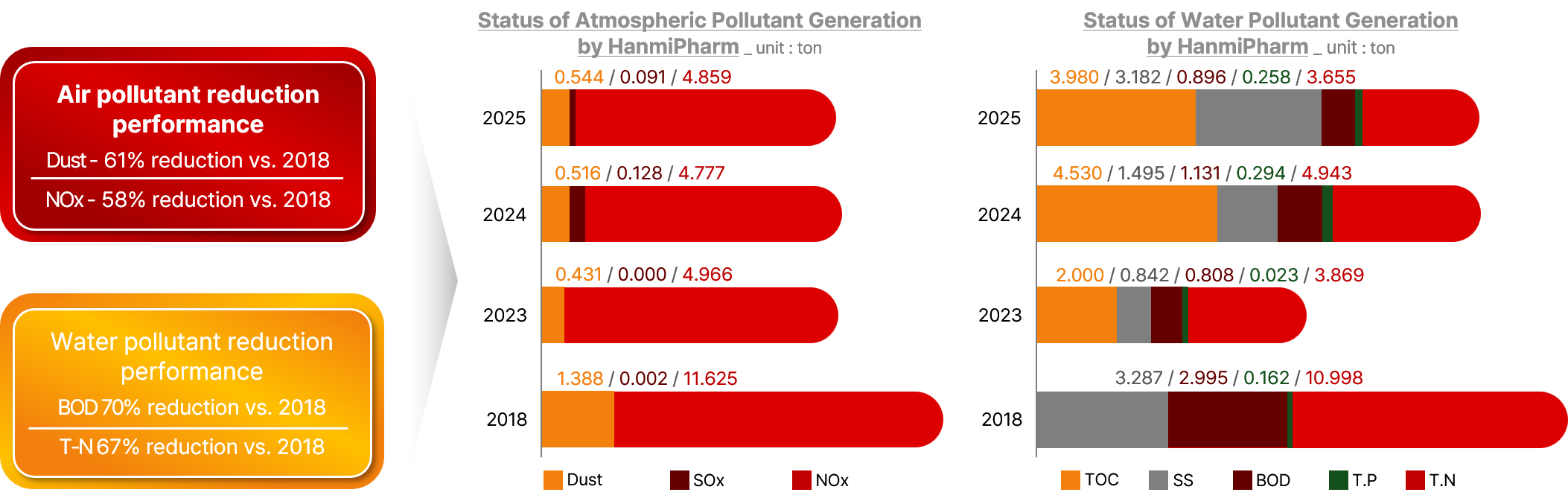
Hanmi Pharmaceutical managed air pollutant emissions to be 70% below the legal permissible limits through activities to minimize pollutant discharge. In particular, dust emissions achieved a 61% reduction compared to 2018. Furthermore, the target of managing water pollutants to be 30% below the legal permissible limits for 2025 has been achieved. We continuously monitor and manage emission status using TMS (Telemonitoring System) and share data with the Ministry of Environment. In 2026, the Paltan Smart Plant plans to strengthen wastewater treatment performance through the construction of a wastewater process redundancy system and will continue to strive to prevent the generation of water pollutants in advance.
Risk | Content | Financial Impact (KRW 100M/year) | Response Plan | ||
|---|---|---|---|---|---|
Short-term | Mid-term | Long-term | |||
Increased pollutant generation due to increased production | Increased pollutant generation | 20.2 | 21.5 | 24.7 | Strengthened management of air pollution prevention |
Management of Hazardous Chemical Substances
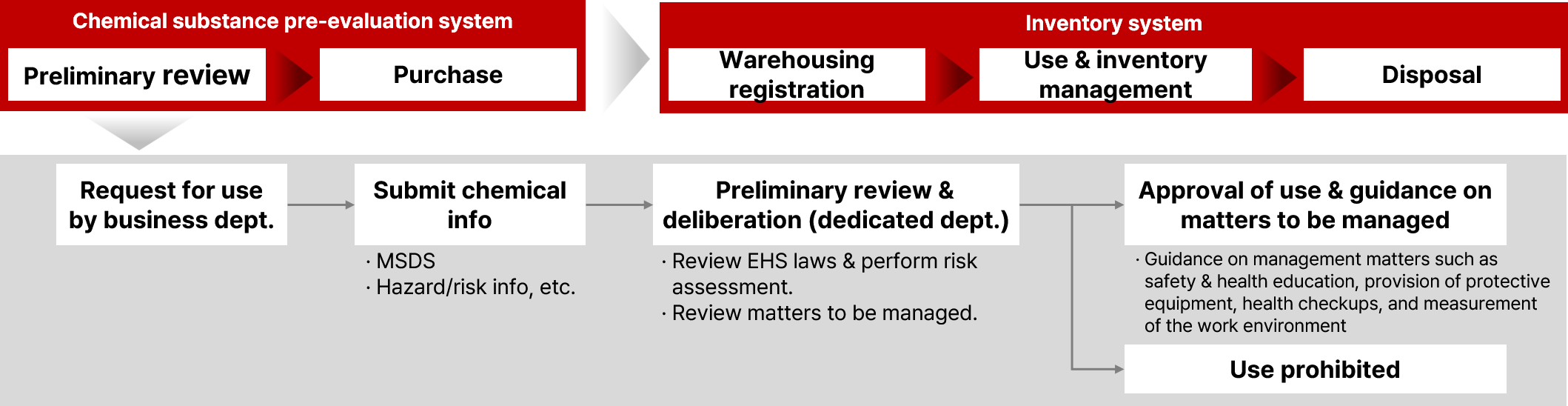
To prevent damage from chemical-related accidents and protect employee health, Hanmi Pharmaceutical established a company-wide MSDS integrated management system in 2019 and is annually strengthening its capabilities in securing safety and health material data and processes. Furthermore, with the aim of strengthening the procurement process for hazardous chemical substances and the MSDS management system, an internal system for pharmaceutical raw material management has been established and is being operated. Hanmi Pharmaceutical has also introduced and operates a hazardous chemical substance pre-assessment system to fundamentally eliminate human and environmental impacts of hazardous chemical substances, thereby proactively mitigating various risks such as environmental, health, and regulatory risks. In particular, each business site actively conducts chemical risk assessments for each substance used, undergoes regular inspections of hazardous chemical substance storage and handling facilities, and conducts training and drills for responding to chemical spills based on worst-case/alternative scenarios, striving to prevent accidents in various ways.
Chemical Substance Management Process
Hanmi Pharmaceutical's Hazardous Chemical Substance Usage Status
Category | Unit | 2022 | 2023 | 2024 | 2025 |
|---|---|---|---|---|---|
Hazardous Chemical Usage | ton | 193 | 178 | 832 | 447 |
Waste Management
Hanmi Pharmaceutical strictly adheres to waste management as stipulated by laws such as the Waste Management Act. The company manages waste based on the principle of transparently recording and disclosing the entire process of generation, transportation, and treatment of general waste and designated waste (such as hazardous substances) through the Waste Proper Treatment System (Allbaro). In particular, pharmaceutical products must be disposed of as designated waste, thus they are thoroughly managed through verified designated waste disposal companies. Hanmi Pharmaceutical monitors waste generation and recycling volumes and identifies and implements various activities to increase the recycling rate. Since 2021, waste acids and alkalis, which were previously discharged as designated waste, have been self-processed for pH adjustment in wastewater treatment plants, thereby annually reducing waste generation. In 2025, the company plans to strengthen management activities to reduce waste generation and enhance recycling rates, including restricting outsourcing to incineration companies and implementing waste separate collection campaigns.
Risk | Content | Financial Impact (KRW 100M/year) | Response Plan | ||
|---|---|---|---|---|---|
Short-term | Mid-term | Long-term | |||
Due to increased production, | Increased waste | 4.5 | 4.7 | 5.3 | Improvement of waste recycling rate / Expansion of recognized circular resources |
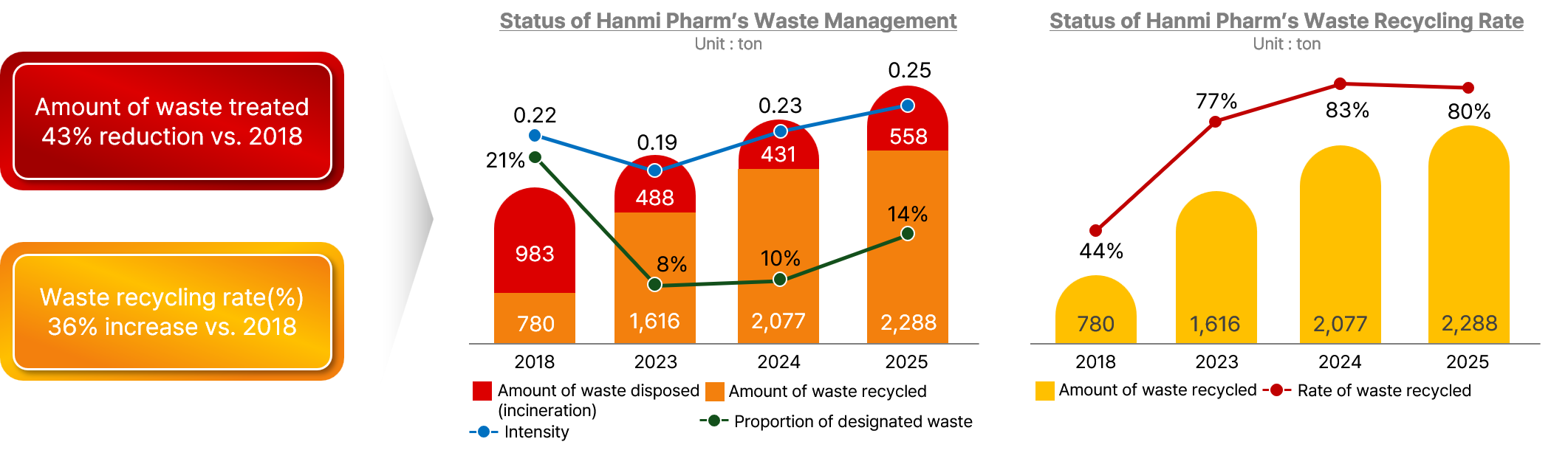
Waste Management Status
Hanmi Fine Chemical is a facility subject to the Resource Circulation Performance Management System, established to achieve the nation's mid-to-long-term and phased resource circulation goals, and annually sets and monitors targets. This business site manages the final disposal rate based on indirect landfill volume and the recycling rate in accordance with the Resource Circulation Performance Management System, with no direct landfill disposal.
Category | Circular Utilization Rate1) (%) | Final Disposal Rate2) (%) | ||
|---|---|---|---|---|
2025 Target | 2025 Performance | 2025 Target | 2025 Performance | |
Hanmi Fine Chemical | 58.97 | 89.58 | 21.97 | 1.75 |
2) Final Disposal Rate = (Final Disposal Volume) / (Waste Generation + Recognized Circular Resources) X 100
Major Waste Impacts
Category | Generation | Impact | |
|---|---|---|---|
Paltan Smart Plant | Wastewater Treatment Sludge | Wastewater Treatment | Marine pollution when discharged into the ocean |
Paltan Smart Plant | Waste Synthetic Resin | Product Production and Disposal | Microplastic generation / Dioxin emission during incineration |
Waste Organic Solvents | Waste liquid after experiments / Culture processes, etc. | Chemical Substance Leakage | |
Halogenated Waste Organic | Product Production | Generation of endocrine disruptors during incineration | |
Major Waste Recycling Status
Category | Recycling Processing Details | |
|---|---|---|
Paltan Smart Plant | Wastewater Treatment Sludge | Used in agricultural production activities |
Waste Synthetic Resin | Manufacturing of intermediate processed waste | |
Plastic waste | Crushing/grinding and then converting to raw materials | |
Pyeongtaek Bioplant | Wastewater Treatment Sludge | Used in agricultural production activities/soil improvement |
Waste Synthetic Resin | Manufacturing of fuel, solid fuel products/raw materials | |
Spent adsorbents | Manufacturing of intermediate processed waste | |
Hanmi Fine Chemical | Halogenated Waste Organic Solvents | Direct product manufacturing |
Other waste organic solvents | Direct manufacturing of products/fuel·solid fuel products | |
Water Resource Management
Hanmi Pharmaceutical strives to minimize water usage during manufacturing processes and increase the reuse rate. In 2025, Hanmi Pharmaceutical reduced water intake by approximately 36% compared to 2018, while simultaneously increasing reuse volume by 20% compared to 2018, reusing a total of 47,126 tons (reuse rate of 9.4%). At the Paltan Smart Plant, 100% of R/O concentrate is used as cooling tower makeup water, and Hanmi Fine Chemical reuses R/O water as scrubber water, resulting in a 21% reduction in water consumption compared to 2018, demonstrating its best efforts in water conservation.
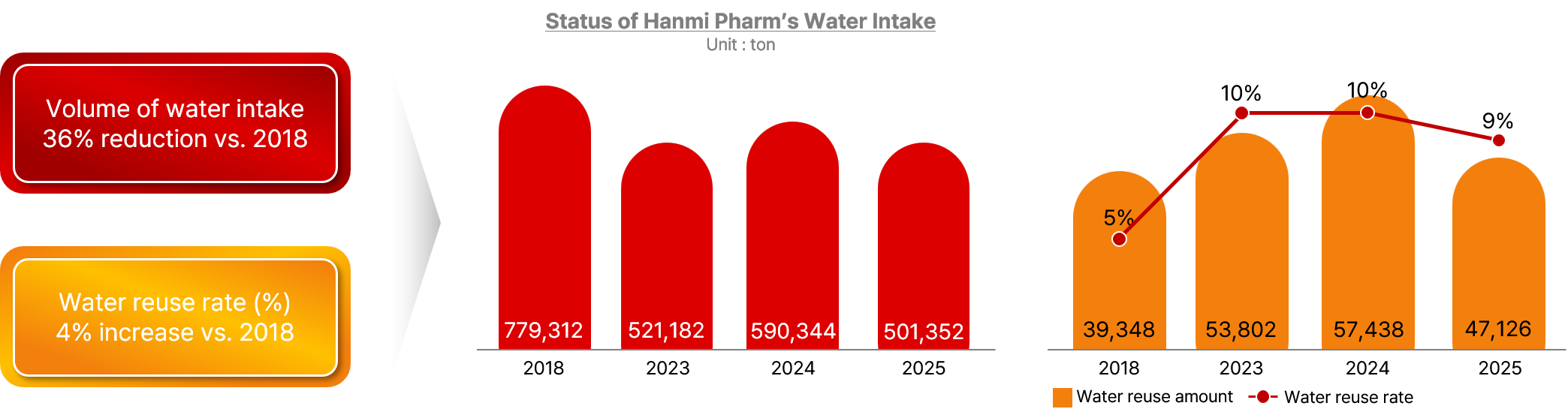
Water Reuse Process

Expansion of Green Procurement
Since 2019, Hanmi Pharmaceutical has been making continuous efforts to switch materials used in pharmaceutical manufacturing to eco-friendly alternatives. After various tests, in 2020, all product packaging boxes were converted to 100% recycled paper. As part of the Green Hanmi campaign, when producing literature such as brochures for product promotion, we minimize environmental impact by
producing literature with minimized environmental impact. Starting in 2024, green procurement management guidelines will be established, prioritizing the use of green procurement products. We will strive to create an environmentally friendly corporate culture by strengthening green procurement procedures in the future.
Status of Green Procurement Literature Production
Category | Unit | 2023 | 2024 | 2025 |
|---|---|---|---|---|
Total Production | Cases | 161 | 218 | 220 |
Green Procurement Literature | Items/% | 151/93.8 | 190/87.2 | 189/85.9 |
Total Production Cost | KRW 100M | 4.5 | 5.9 | 4.8 |
Green Procurement Literature Cost | KRW 100M/% | 4.1/92.6 | 4.4/74.6 | 3.8/80.8 |
Status of Eco-friendly Packaging Box Usage
Category | Unit | 2023 | 2024 | 2025 |
|---|---|---|---|---|
Total Usage | EA | 394,960 | 395,620 | 383,400 |
Total Usage | ton | 298 | 299 | 290 |
Greenhouse Gas Reduction Volume | tCO2eq | 158 | 158 | 154 |
FSC Certification for Forest Protection
FSC certification verifies forests that are managed sustainably and certifies products that use raw materials produced from such forests, managed by the Forest Stewardship Council. Hanmi Pharmaceutical produces key printed materials using FSC-certified paper and at FSC-certified printing companies for sustainable forest management.
Environmental Education and Emergency Response Training
Hanmi Pharmaceutical conducts technical personnel training in accordance with relevant laws such as the Emissions Trading Act, the Air Environment Conservation Act, the Water Environment Conservation Act, and the Chemical Substances Control Act. Additionally, we conduct annual hazardous chemical safety education for all members of workplaces handling hazardous chemicals and report the content and results to the Chemical Safety Institute.
Status of Environmental Education
Category | Unit | 2023 | 2024 | 2025 |
Environmental Technical Personnel Job Training | hours | 28 | 66 | 88 |
Hazardous Chemical Substance Manager/Handler Training | hours | 4,400 | 1,328 | 5,696 |
Hazardous Chemical Substance Employee Training | hours | 374 | 348 | 525 |
Other Training (ISO, ESG, etc.) | hours | 944 | 960 | 983 |
Total | hours | 5,746 | 2,702 | 7,292 |
Regular Environmental Accident Emergency Response Drills
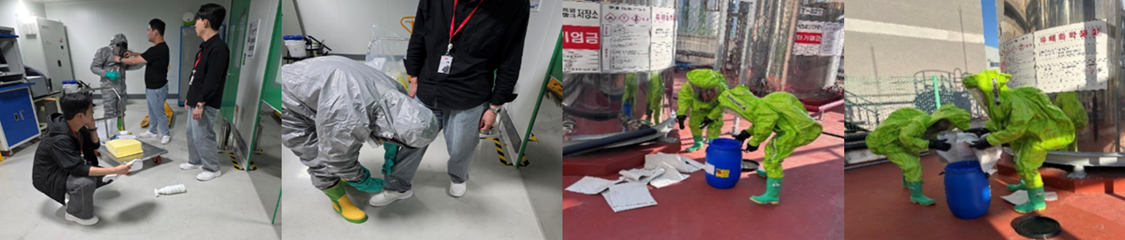
Hanmi Pharmaceutical establishes scenario-based plans and conducts regular emergency drills annually to enhance environmental accident prevention and response capabilities. Furthermore, Hanmi Fine Chemical conducts emergency response drills for hazardous chemical substance (ethanol) leaks, thereby operating a system to respond quickly and effectively to environmental accidents and minimize damage.
Eco-friendly In-house Campaigns
Use of reusable cups in the in-house cafe and recycling of coffee grounds
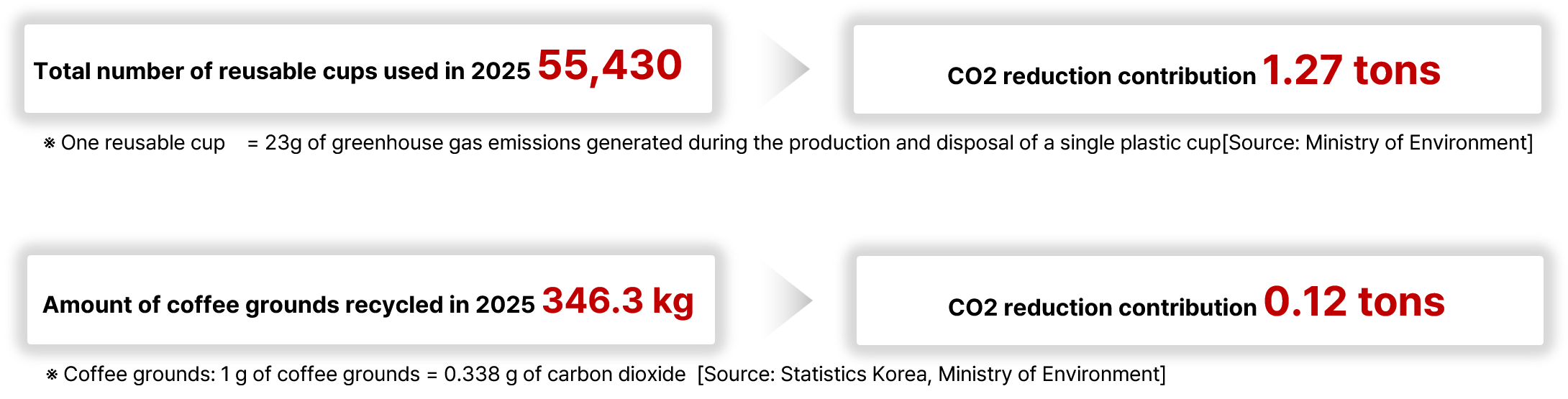
Hanmi Group uses multi-use cups in employee lounges and in-house cafes to reduce the use of disposable cups. The multi-use cups are made of materials from which environmental hormones are not detected. After employees use them, they return them to collection points, where a specialized cleaning company from a local self-sufficiency center collects and manages their cleaning. In 2025, the in-house cafe replaced the use of 55,430 disposable cups by utilizing multi-use cups, resulting in an annual reduction of approximately 1.27 tons of greenhouse gases. Additionally, coffee grounds generated at the in-house cafe are not treated as general waste but are collected through the Songpa-gu Office's coffee grounds recycling project and provided to local livestock farms as moisture adjusters and compost. The expected contribution to greenhouse gas reduction from coffee grounds recycling is 0.12 tons.
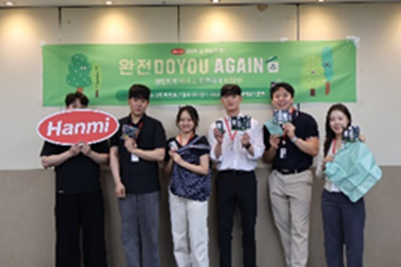
In-house campaign for Environment Day: 'Wanjeon DOYOU AGAIN'
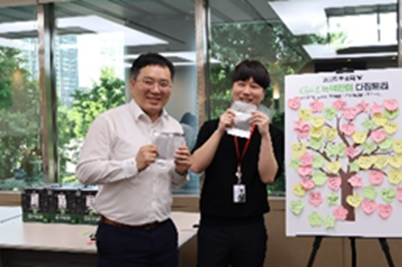
As part of its eco-friendly campaign, Hanmi Pharmaceutical launched the employee participation program 'Wanjeon DOYOU AGAIN'. Employees sampled the new Wanjeon DOYOU product, received education on the correct separate disposal methods for aseptic packaging, and directly experienced the washing, drying, and unfolding processes.
Approximately 100 employees participated, pledging to practice environmental protection for future generations. The campaign focused on guiding the correct disposal methods for aseptic packaging: ▲washing it cleanly, ▲completely removing moisture, ▲unfolding and drying the pack, and ▲disposing of it separately from general paper cartons. Through this activity, Hanmi Pharmaceutical aims to raise employees' awareness of resource circulation and eco-friendly consumption, and to establish an internal participation base where environmental protection actions can naturally spread throughout work and daily life. Hanmi Pharmaceutical plans to continuously expand employee-participatory environmental campaigns in the future, continuing practical activities to promote resource circulation and reduce environmental burden.
Resource Circulation Campaign
Eco-friendly Donation Using Coffee Grounds
Hanmi Pharmaceutical began its resource recycling efforts in 2021 by donating coffee grounds generated at its in-house cafe to the social enterprise Coffee Cube.
It has continuously expanded activities to circulate everyday waste back into resources. Subsequently, the scope of resource circulation was transitioned to a community-centered model, and currently, coffee grounds from the in-house cafe are donated to Songpa-gu's Resource Utilization Division, thereby strengthening a local-based virtuous cycle system for resources. Although coffee grounds are classified as general waste, which increases disposal costs and environmental burden,
Songpa-gu collects them in dedicated containers from each establishment, removes foreign substances, then conducts bulk collection, and provides them to livestock farms, where they are recycled as agricultural resources such as compost and moisture regulators.
This cooperative model involving businesses, local governments, and local farms is an example of resource circulation that re-discovers the value of household waste and reduces environmental burden. Hanmi Pharmaceutical will continue to identify recycling possibilities for generated resources and continuously advance its resource-efficient virtuous cycle system.
Hanmi Pharmaceutical In-house Cafe | ▶ | Songpa-gu | ▶ | Local Farms |
|---|
Category | Coffee Grounds Donated (kg) | CO2 Reduction (ton) |
2025 | 346.3 | 0.12 |
2024 | 442 | 0.15 |
2023 | 441 | 0.15 |
2022 | 348 | 0.11 |
2021 | 358.5 | 0.12 |

Eco-friendly Donation Using Discarded IT Assets
Hanmi Group recycles retired IT assets to promote smooth resource circulation. In cooperation with the social enterprise 'Comwin', it recycles IT waste and supports informatization projects for underprivileged groups with assembled PCs.

III. Risk Management
Risk and Opportunity | Frequency | Subjects | Method | Oversight |
|---|---|---|---|---|
Climate Change Response | ||||
GHG management | Once a year | Hanmi Pharm | ㆍMonitoring the carbon neutrality roadmap through Scope 1+2 emissions calculation and verification | ESG Group |
GHG/Energy Saving | On an ongoing basis | Hanmi Pharm | ㆍEstimating energy water and steam consumption reduction methods and reduction amounts | Each site's energy/ |
Climate Change | Once a year | Hanmi Pharm | ㆍComprehensive review of negative impacts of business operations, external environmental changes, financial impacts, etc. | ESG Group |
Climate Change Scenario Analysis | Once a year | Hanmi Pharm | ㆍIdentifying key climate change risks | ESG Group |
Minimizing environmental impact | ||||
Pollutant Management | On an | Hanmi Pharm | ㆍManaging air/water pollutants below legal permissible limits of | Each workplace |
Management of | On an | Hanmi Pharm | ・Management of hazardous chemicals through a chemical management process | Each workplace |
Waste Management | On an | Hanmi Pharm | ㆍMonitoring waste generation and recycling volume, performing activities to improve recycling rates | Each workplace |
Water Resource | On an | Hanmi Pharm | ㆍIntroducing water reuse process | Each workplace |
Green Procurement | On an | Hanmi Pharm | ㆍOperating and monitoring green procurement processes | Each worksite's |
Ⅳ. Indicators and Targets
2025 Performance and 2026 Targets (Carbon Neutrality)
2025 Target | 2025 Performance | Achieve |
|---|---|---|
Hanmi Pharmaceutical | ||
・Greenhouse gas emissions: 71,810 tCO2eq (maintain 2018 levels) | ㆍGreenhouse gas emissions 68,426 tCO2eq | 100% |
- Scope1&2&3 third-party verification and CDP evaluation response / | - Scope1&2&3 third-party verification and CDP evaluation response | 67% |
Hanmi Fine Chemical | ||
ㆍEmissions below permissible GHG emission limits (16,086 tCO2eq) | ㆍEmissions below permissible GHG emission limits (11,609 tCO2eq) | 100% |
- Inverter Overhaul, replacement with high-efficiency motor facilities | - Inverter Overhaul work | 100% |
2026 Target |
Hanmi Pharmaceutical |
ㆍGreenhouse gas emissions 70,375 tCO2eq (2% reduction compared to 2018) |
- [Company-wide] Introduction of renewable energy (RE10 level) |
Hanmi Fine Chemical |
ㆍEmissions below greenhouse gas emission allowance (15,356 tCO2eq) |
- Power usage optimization (replacement of old transformers, shutdown of unnecessary power, etc.) |
Investment amount related to Carbon Neutrality | ||
|---|---|---|
2025 | Execution Rate | 2026 |
Plan : KRW 7.0 billion | Execution : KRW 3.2 billion | 46% | Plan : KRW 4.7 billion |
2025 Performance and 2026 Targets (Minimizing Environmental Impact)
2025 Target | 2025 Performance | Achieve |
Strengthening Management of Air/Water Pollutants | ||
ㆍManagement of air/water pollutants below legal permissible limits of 50/30% | ㆍManagement of air/water pollutants below legal permissible limits of 63/30% | 50% |
- [Paltan] Installation of main coagulant injector for biological treatment | - [Paltan] Not achieved | 0% |
Strengthening Hazardous Chemical Management | ||
ㆍ2% reduction in hazardous chemical usage compared to 2024 | ㆍHazardous chemical usage 46% reduction compared to 2024 | 100% |
- [Pyeongtaek] Improvement of worker safety at hazardous chemical | - [Pyeongtaek] Replacement of NaOH, Acid tanks in the underground | 100% |
Reduced Water Usage and Increased Reuse | ||
ㆍ10% reduction in water intake compare to 2018 | ㆍ36% reduction in water intake compared to 2018 | 100% |
- [Pyeongtaek] Water intake reduced by 2% compared to the previous year | - [Pyeongtaek] Water intake reduced by over 2% compared to the previous year | 100% |
Reduced waste treatment volume and improved recycling rate | ||
ㆍReduced general/designated waste treatment volume by 10% | ㆍReduced general/designated waste treatment volume by 40% | 100% |
- [Paltan] Recognized as circular resource by satisfying Article 9, | - [Paltan] Not achieved | 0% |
Spreading Eco-friendly Culture | ||
ㆍEco-friendly literature ratio over 90% | ㆍEco-friendly literature ratio 80% | 89% |
- [Company-wide] Carbon-neutral social contribution activities such as | - [Company-wide] Carbon-neutral social contribution activities | 50% |
2026 Target |
Strengthening Management of Air/Water Pollutants |
ㆍManagement of air/water pollutant legal permissible limits at 70%/30% or below1) |
- [Paltan] Strengthened management of air pollution control facilities, including wastewater treatment process duplication and dust collector replacement |
Strengthening Hazardous Chemical Management |
ㆍReduced by 2% compared to the previous year |
- [Paltan] Conducted in-house training for direct handlers of hazardous chemicals |
Reduced Water Usage and Increased Reuse |
ㆍWater intake reduced by 11% compared to 2018 (693,588 tons) / Water reuse rate over 8% |
- [Pyeongtaek] Utilized recycled domestic wastewater from wastewater treatment plant |
Reduced waste treatment volume and improved recycling rate |
ㆍReduced general/designated waste treatment volume by 12% compared to 2018 (Target treatment volume: 619 tons/246 tons) & waste recycling rate over 73% |
- [Paltan] Technical review for recognizing packaging scrap as a circular resource |
Spreading Eco-friendly Culture |
ㆍMaintained eco-friendly literature ratio of over 80% / 100% use of eco-friendly packaging boxes for manufactured medicines |
- [Company-wide] Continuation of carbon-neutral social contribution activities, such as coffee grounds donation |
Investment amount related to minimizing environmental impact | ||
2025 | Execution Rate | 2026 |
Planned: KRW 210 million ㅣ Executed: KRW 150 million | 73% | Plan: KRW 150 million |
Ⅴ. Climate Change Risk Analysis
We conduct a climate change risk and opportunity factor assessment once a year, comprehensively reviewing negative impacts of business operations, external environmental changes, and financial impacts.
Target business sites and organizations identify and review transition/physical risks and opportunities, considering short-term/medium-term/long-term probabilities of occurrence and the severity of impact on the company.
※ The physical financial impact is the result of an update conducted after the 2024 scenario analysis, reflecting only some variable values such as the exchange rate as of December '25 and current asset values.
Climate Change Risk Management Framework

Climate Change Risk Assessment
Hanmi Pharmaceutical conducted a climate change scenario analysis to understand the financial impacts of climate change-related risks and opportunities on the company and to develop response strategies for the international community's carbon neutrality demands.
Category | Risk Description | Priority | ||
Transition | Policy | T1 | Increased Costs of Greenhouse Gas Emission Trading Scheme | 2 |
T2 | Expansion of Mandatory Climate Change Disclosures | 8 | ||
T3 | Imposition of Fines on Greenwashing Companies | 15 | ||
T4 | Strengthening of Obligations and Regulations for Existing Products and Services | 6 | ||
Technology | T5 | Increased costs for low-carbon technology transition | 4 | |
Market | T6 | Changes in customer behavior | 12 | |
T7 | Power market uncertainty | 1 | ||
T8 | LNG market uncertainty | 6 | ||
T9 | Rising raw material prices | 10 | ||
T10 | Increased Volatility in Renewable Energy Prices | 2 | ||
Reputation | T11 | Increased consumer consideration of environmental impact and preference for eco-friendly products | 13 | |
T12 | Increased demands from investors and stakeholders for climate change and biodiversity response | 15 | ||
Physical | Acute | P1 | Damage to facilities and equipment due to natural disasters such as typhoons and earthquakes | 13 |
P2 | Damage to facilities due to urban floods and river overflows | 8 | ||
Chronic | P3 | Increased wildfires around business sites | 10 | |
P4 | Increase in extreme weather phenomena | 5 | ||
P5 | Increased risk of water shortage due to drought, etc. | 17 | ||
Category | Risk Description | Priority | ||
Opportunity | Policy | O1 | Reduced costs for responding to emissions trading regulations for reduced greenhouse gases | 3 |
O2 | Electricity cost savings through power demand management systems and discovery of PPA contracts | 2 | ||
Technology | O3 | Reduction of greenhouse gas emissions and carbon costs through carbon neutrality implementation | 1 | |
Reputation | O4 | Enhancing global business competitiveness through climate change response | 4 | |
Market | O5 | Biodiversity conservation and ecosystem restoration in local communities | 5 | |
2) Risks are categorized into Low, Medium, and High, and among these, High-grade risks are identified as core risks requiring priority management and are indexed.
Climate Change Transition Risk Assessment
Responding to climate change, including the strengthening of global carbon emission regulations and the increasing burden of carbon prices, significantly impacts corporate sustainable management and growth. Hanmi Pharmaceutical establishes and discloses medium-to-long-term carbon reduction targets and implementation plans based on global standards, considering domestic climate change infrastructure and the characteristics of the pharmaceutical industry. We will continue to disclose the progress of Hanmi Pharmaceutical's Climate Action, which proceeds from 2030 NDC → 2035 NDC → 2040 Net Zero, and actively communicate various efforts to reduce environmental impact to our stakeholders.
Type | Period | Risk | Financial Impact | Mitigation Plan | |
Policy | T1 | Short | Increased Costs for Greenhouse Gas Emission Trading Scheme | - Increased purchase of emission | [Current Response Measures] |
T2 | Medium-term | Mandatory Climate Change Disclosure | - Increased costs for emissions | [Current Response Measures] | |
T3 | Medium-term | Imposing penalties on greenwashing companies | - Penalties incurred upon violation | [Current Response Strategies] | |
T4 | Long | Obligations and Regulations on Existing Products and Services | - Increased compliance costs | [Current Response Strategies] | |
Technology | T5 | Long | Introduction of Low-Carbon Technologies/Facilities | - Increased investment costs for | [Current Response Directions] |
Market | T6 | Medium-term | Customer Behavior Change | - Revenue loss if contracts are | [Current Response Strategies] |
T7 | Short | Electricity Market Uncertainty | - Increased costs due to rising | [Current Response Strategies] | |
T8 | Short | LNG Market Uncertainty | - Increased costs due to rising LNG | [Current Response Strategies] | |
T9 | Long | Rising Raw Material Prices | - Sustainable raw material use and | [Current Response Measures] | |
T10 | Medium-term | Increased Renewable Energy Price Volatility | - Increased capital expenditure due | [Current Response Measures] | |
Reputation | T11 | Short | Changes in Consumer Preferences | - Decline in brand value due to | [Current Response Measures] |
T12 | Short | Increased Stakeholder Concerns and Negative | - Reduced capital availability if | [Current Response Measures] |
Financial Impact Analysis of Climate Change Transition Risks
Hanmi Pharmaceutical evaluated the materiality (likelihood × impact) of identified transition risks and, based on this, identified high-priority (High-grade) risks. Subsequently, the financial impact was analyzed by calculating the average financial amount for these risks across short-term (2026~2027), medium-term (2028~2030), and long-term (2031~2040) periods.
Type | Transition Risks | |
Content | T1. Increased Costs from Greenhouse Gas Emissions Trading Scheme | |
Financial Impact | As Hanmi Pharmaceutical has been designated as an allocated entity under the Greenhouse Gas Emissions Trading Scheme since 2020, rising carbon credit prices and an increase in the proportion of paid allocations will lead to higher costs for purchasing insufficient emission allowances. Accordingly, the financial impact amount was calculated based on the sequential expansion of the paid allocation ratio (assuming 30-50%) and the expected carbon credit prices according to transition scenarios. | |
Financial Impact | Assumption of NDC Reduction Target Achievement (Based on NDCs Scenario) | Assumption of Net Zero Achievement by 2050 (Based on Net Zero 2050 Scenario) |
Short-term (2026-2027): KRW 2.16 billion | Short-term (2026-2027): KRW 1.92 billion | |
Content | T5. Introduction of low-carbon technologies/facilities | |
Financial Impact | Hanmi Pharmaceutical has established a mid-to-long-term carbon neutrality roadmap with the goal of achieving carbon neutrality by 2040. To achieve carbon neutrality, investment costs for introducing reduction measures such as energy efficiency improvements and process optimization | |
Financial Impact | Short-term (2026-2027): KRW 4.52 billion | |
Content | T7. Electricity Market Uncertainty | |
Financial Impact | From the 4th planning period of the Greenhouse Gas Emission Trading Scheme, the proportion of paid allocation of emission allowances in the power generation sector is gradually increasing (from 10% in the 3rd planning period to a maximum of 50% by 2030 in the 4th planning period). Additionally, with the advancement of electricity market system reforms, electricity unit prices are expected to rise. Accordingly, energy costs due to the increase in electricity unit prices have been calculated. | |
Financial Impact | Short-term (2026-2027): KRW 20.43 billion | |
Content | T10. Increased Volatility in Renewable Energy Prices | |
Financial Impact | Hanmi Pharmaceutical has set reducing Scope 2 emissions as a core task and established RE100 achievement as a detailed goal. | |
Financial Impact | RE100 Implementation Costs (PPA) | RE100 Implementation Costs (REC) |
Short-term (2026-2027): KRW 21.96 billion | Short-term (2026-2027): KRW 28.31 billion | |
Financial Impact Analysis of Climate Change Physical Risks
Type | Period | Risk | Financial Impact* | Response Plan | ||
Content | Short-to Mid-term | Long-term | ||||
Acute | Short | P1. Due to natural disasters such as typhoons, earthquakes, resulting in damage to facilities and equipment | Restoration costs for business sites damaged by natural disasters | KRW 110M | KRW 130 | [Current Response Measures] |
Long | P2. Facility damage due to urban floods, river overflows | Costs incurred for restoring damaged workplaces | KRW 2.29 | KRW 2.91 | ||
Chronic | Short | P3. Increased wildfires around workplaces | Costs incurred for restoring wildfire damage | KRW 380 | KRW 570 | [Current Response Measures] |
Long | P4. Increase in abnormal weather phenomena | Increased heating and cooling operating costs due to rising temperatures and | KRW 25.48 | KRW 31.45 | [Current Response Measures] | |
Long | P5. Increased risk of water shortage due to drought, etc. | Increased investment costs for water reuse facilities and | - | - | [Current Response Measures] | |
Ⅵ. Climate Change Scenarios
Hanmi Pharmaceutical conducted a climate change scenario analysis to understand the financial impacts of climate change-related risks and opportunities on the company and to develop response strategies for the international community's carbon neutrality demands.
Climate Change Scenario Analysis Process

Among the major risk factors, Hanmi Pharmaceutical analyzed the potential financial impacts of ‘strengthened greenhouse gas emission regulations and rising carbon credit prices’ for transition risks, and 8 acute and chronic risks for physical risks. The transition risk analysis was based on the NDCs, Below 2℃, and Net Zero 2050 scenarios from the Network for Greening the Financial System (NGFS), applying the contents of Korea's 2030 Nationally Determined Contributions (NDC) and 2050 Carbon Neutrality Scenarios A and B (Nov. 2021). For physical risks, the analysis was based on the Shared Socioeconomic Pathway (SSP) scenarios. SSP scenarios are emission scenarios adopted in the IPCC (Intergovernmental Panel on Climate Change) 6th Assessment Report, which project changes in future socioeconomic systems such as population, economy, and energy use, along with radiative forcing intensity by 2100.
Type | Category | Projected | Source |
|---|---|---|---|
Transition | NDCs | + 2.6℃ | NGFS |
Below 2℃ | + 1.6℃ | ||
Net Zero 2050 | + 1.4℃ | ||
Physical | SSP5–8.5(High) | +3.3-5.7℃ | IPCC AR6 |
SSP2-4.5(Medium) | +2.1-3.5℃ | ||
SSP1-2.6(Low) | +1.3-2.4℃ |
Transition Risk Analysis
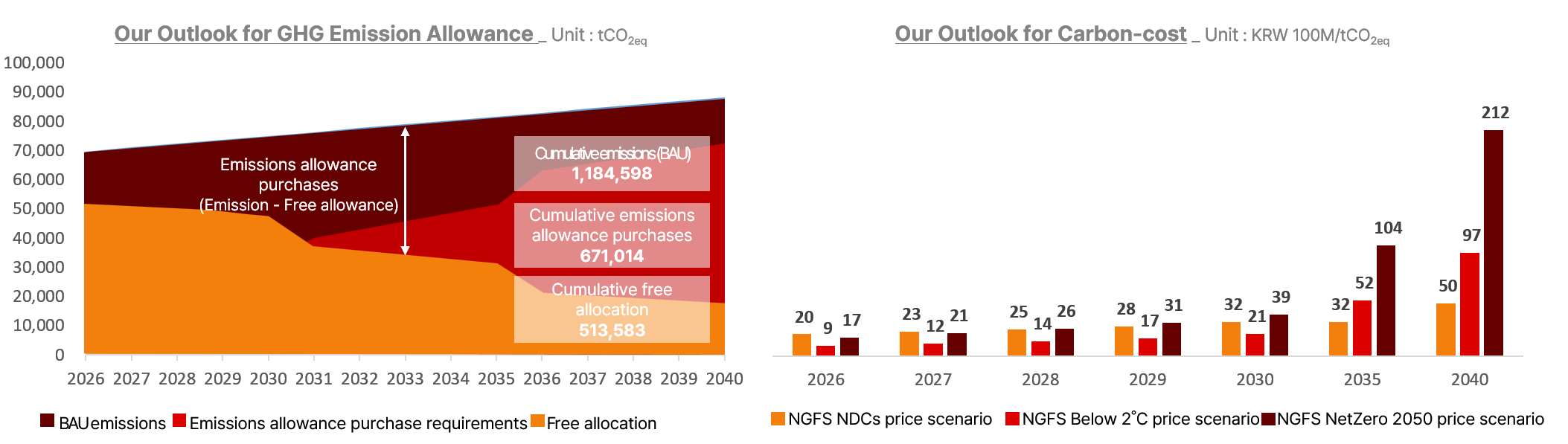
Hanmi Pharmaceutical estimated the company's BAU1) scenario by utilizing NDCs, Net Zero 2050, and Below 2℃ transition scenarios based on NGFS (Network for Greening the Financial System), reflecting energy consumption and emissions allowance allocations according to production plan forecasts, and analyzed the potential carbon costs2) according to national emissions trading scheme regulatory scenarios and climate change scenarios. Hanmi Pharmaceutical's projected greenhouse gas emissions allowance allocation assumes a linear achievement of the 2050 Carbon Neutrality Scenario A and B, which targets an 80.4% reduction in the industrial sector. Accordingly, the emissions allowance allocation was calculated assuming a 54% reduction and an increase in the paid allocation ratio to 50%. The potential carbon price in NGFS scenarios is an estimated price derived through an integrated assessment model to comply with IPCC SSP (Shared Socioeconomic Pathway) reduction pathways at minimum cost, considering both socioeconomic damage from greenhouse gas emissions and the costs required for reduction.
1) BAU: Abbreviation for Business As Usual, representing projected greenhouse gas emissions if no special measures are taken for reduction.
2) Potential Carbon Cost: Shadow price used for selecting potential business risks due to future carbon regulations to formulate corporate strategy and evaluate investments.
Transition Risk Analysis Results
Hanmi Pharmaceutical's projected greenhouse gas emissions allowance allocation forecasts that allowances for 671,000 tCO2eq (57% of the total projected cumulative emissions of 1.18 million tCO2eq from 2026 to 2040) will need to be purchased. Hanmi Pharmaceutical's estimated carbon costs, assuming NGFS Korea carbon prices as allowance prices, show that the allowance price per 1 tCO2eq of greenhouse gas will rise to approximately KRW 70,000 to KRW 300,000 by 2040, and the annual carbon cost will amount to approximately KRW 3.1 billion under the NDCs scenario and KRW 13.1 billion under the Net Zero scenario.
Scenario | Carbon Price | Cumulative Carbon-Cost | Cumulative by 2040 | ||||||
2026 | 2030 | 2035 | 2040 | ~2026 | ~2030 | ~2035 | ~2040 | ||
NDCs | 111,313 | 114,241 | 63,692 | 69,661 | 20 | 128 | 314 | 538 | 388 |
Below 2℃ | 51,373 | 73,072 | 103,801 | 135,991 | 9 | 72 | 279 | 691 | 461 |
Net Zero 2050 | 93,404 | 138,714 | 205,267 | 297,126 | 17 | 134 | 539 | 1,411 | 935 |
Physical Risk Analysis
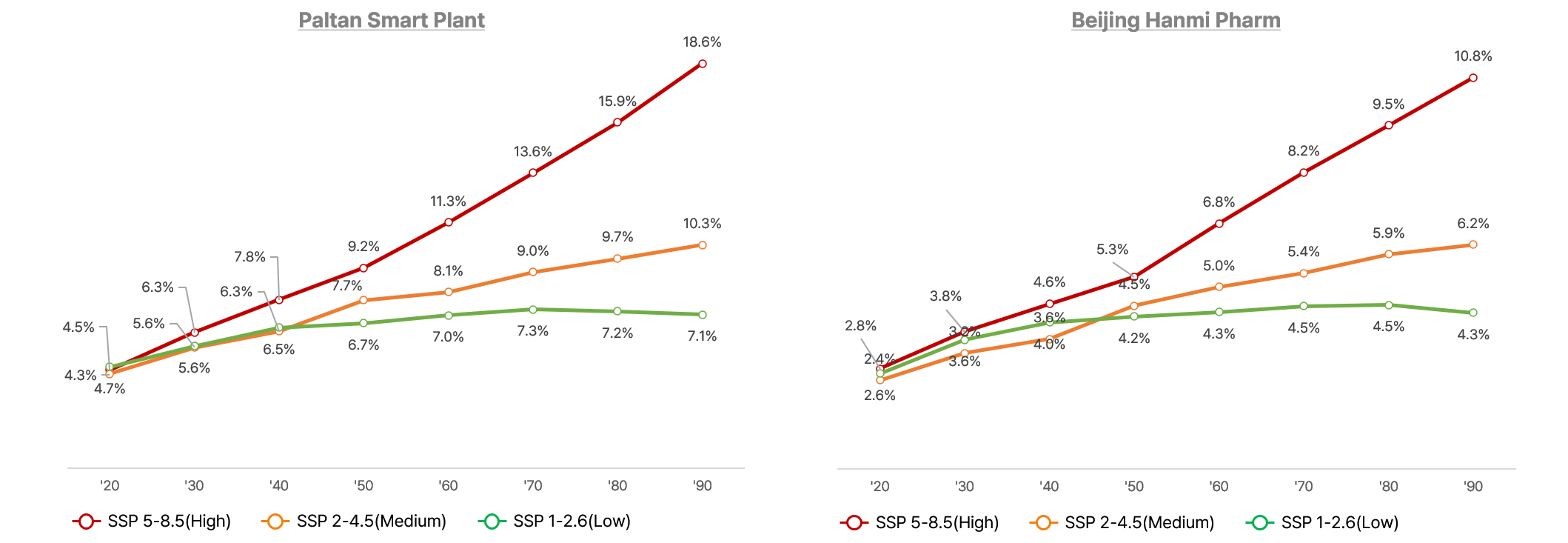
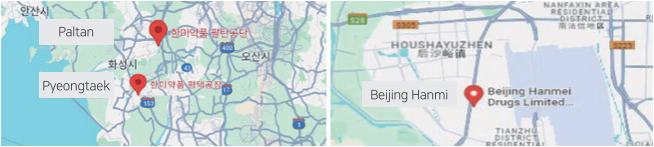
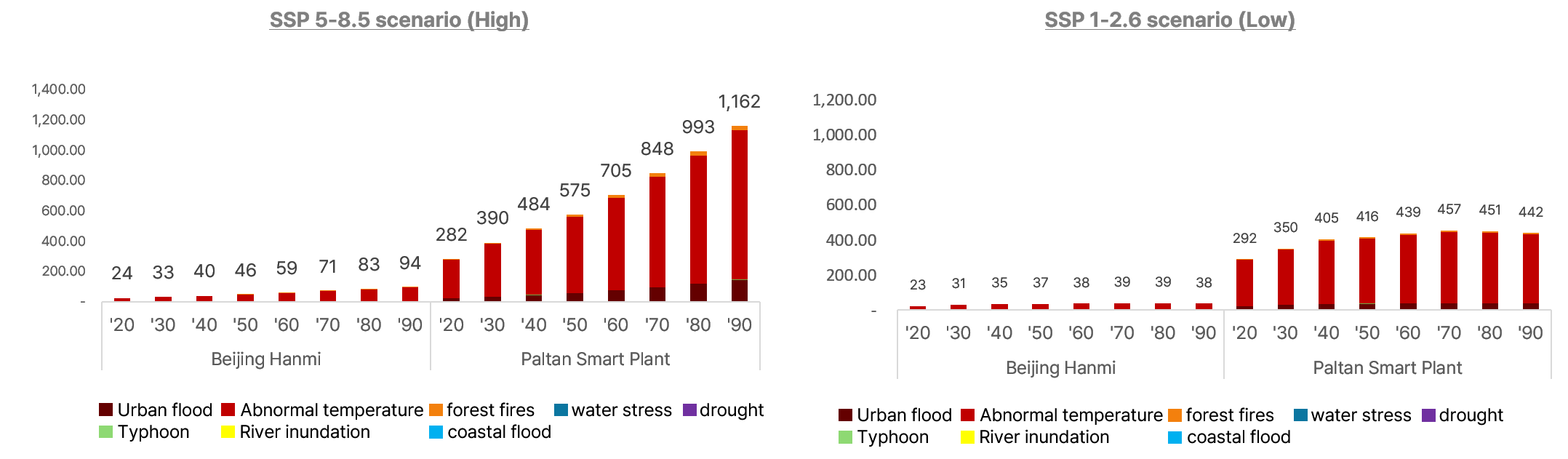
Hanmi Pharmaceutical conducted a physical risk analysis for Paltan Smart Plant1), and Beijing Hanmi Pharmaceutical's business site, utilizing S&P Global Sustainable 1's Climanomics2) platform, based on the Shared Socioeconomic Pathway (SSP) scenario. Physical risks were modeled by applying variables such as temperature and precipitation to eight types of physical risks, including chronic and acute extreme temperatures, urban floods, and wildfires. The Mean Annual Average Loss (MAAL) included direct financial impacts of climate risks on specific asset types, such as operational costs, capital costs, and business interruption impacts leading to losses.
1) Paltan Smart Plant and Pyeongtaek Bio Plant business sites are located in close proximity (within the analysis grid), and their inland urban location and industrial conditions are identical, thus Paltan Smart Plant was selected for representative analysis.
2) S&P Global's climate change scenario analysis platform for physical climate risk analysis
Physical Risk Analysis Results – By Asset
Physical Risk Analysis Results – By Risk
Analysis of acute and chronic risks showed that asset loss due to extreme temperatures had the most significant impact, with asset loss rates due to extreme temperatures projected to increase to 5.96%~8.06% by the 2050s.
Category | SSP1-2.6(Low) | SSP2-4.5(Medium) | SSP3-8.5(High) | ||||||||||
`20 | `30 | `40 | `50 | `20 | `30 | `40 | `50 | `20 | `30 | `40 | `50 | ||
Acute | Coastal Flood | - | - | - | - | - | - | - | - | - | - | - | - |
River Flood | - | - | - | - | - | - | - | - | - | - | - | - | |
Urban Flood | 0.37% | 0.47% | 0.54% | 0.57% | 0.35% | 0.45% | 0.57% | 0.68% | 0.37% | 0.51% | 0.70% | 0.92% | |
Typhoon | 0.02% | 0.02% | 0.02% | 0.02% | 0.02% | 0.02% | 0.02% | 0.02% | 0.02% | 0.02% | 0.03% | 0.03% | |
Chronic | Drought | - | - | - | - | - | - | - | 0.001% | - | - | 0.001% | 0.003% |
Extreme Temperature | 4.22% | 5.04% | 5.81% | 5.96% | 3.92% | 5.00% | 5.60% | 6.87% | 4.08% | 5.62% | 6.87% | 8.06% | |
Water Stress | - | - | - | - | - | - | - | - | - | - | - | - | |
Wildfire | 0.06% | 0.09% | 0.11% | 0.12% | 0.06% | 0.09% | 0.13% | 0.16% | 0.06% | 0.10% | 0.16% | 0.21% | |

Financial Impact Analysis Results Based on Climate Change Scenarios_Physical Risks
Both Paltan Smart Plant and Beijing Hanmi Pharmaceutical are located in inland urban areas, and thus physical risks due to extreme temperatures and urban flooding were primarily identified. Asset losses from coastal flooding, river overflow, and water stress were not identified. Based on this analysis, according to SSP1 2.6 and SSP5-8.5 scenarios, Paltan Smart Plant is projected to incur losses of KRW 41.6 billion to KRW 57.5 billion by the 2050s, and Beijing Hanmi Pharmaceutical is projected to incur losses of KRW 3.7 billion to KRW 4.6 billion by the 2050s. Hanmi Pharmaceutical has established and operates a BCP (Business Continuity Planning) for disasters, and will continue to advance its response strategies according to the level of exposure to physical climate change risks.
<Business Sites>
<Annual Average Estimated Asset Loss by Business Site>
<Analysis of Extreme Temperature Impact>
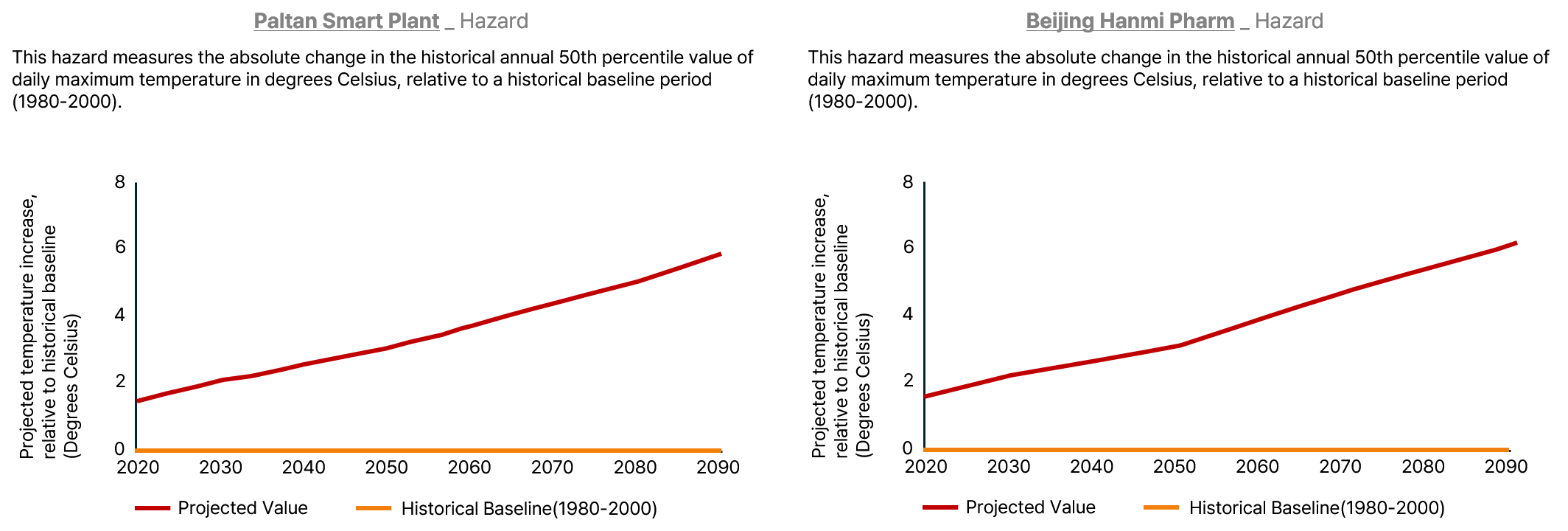
According to the physical risk analysis, extreme temperatures, which had the greatest impact, were measured based on changes (absolute change in the 50th percentile of past annual daily maximum temperatures) from the 1980-2000 historical baseline period. This analysis indicates that the daily maximum temperatures at the Paltan Smart Plant and Beijing Hanmi Pharmaceutical business sites are projected to rise by approximately 4℃ by the 2050s compared to the 1980-2000 period.